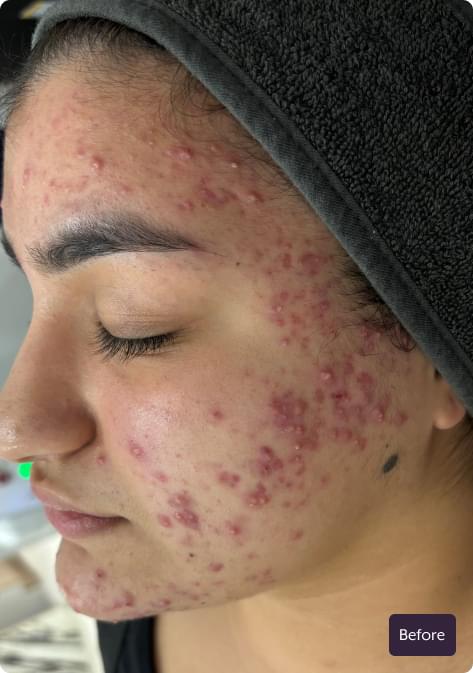
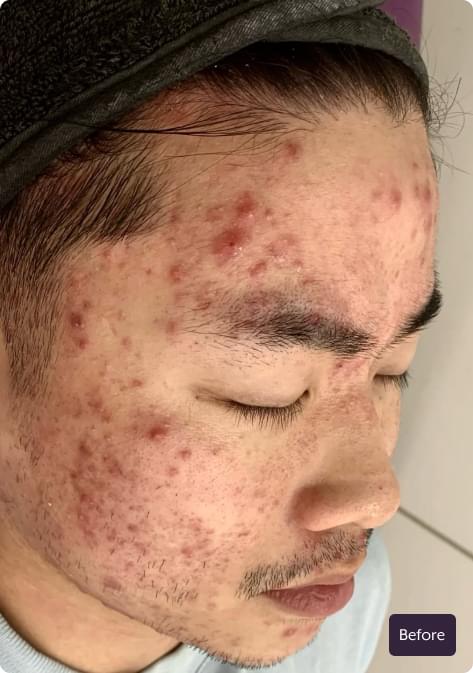
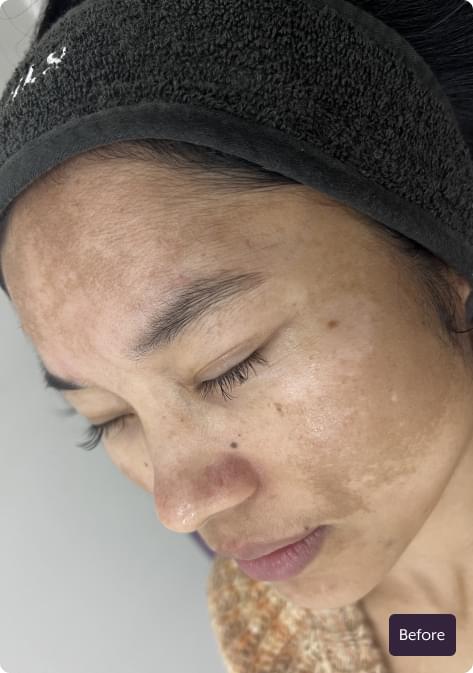
A chemical peel applies active acid-based ingredients to the skin's surface to cause controlled exfoliation and encourage cell turnover. As the skin sheds its damaged outer layers, a fresher and more even surface may gradually emerge. The primary peel offered at Sydney Dermal Lounge is Dermamelan, a clinically recognised depigmentation treatment suited to a range of skin concerns.
Chemical peels work by causing controlled exfoliation across the skin's surface layers, which can assist in improving tone, texture, and overall clarity. The formulation and intensity of each peel is confirmed during your consultation based on your individual skin profile, tolerance, and goals.
Skin is shaped by more than what you apply to it. Digestive health, mental wellbeing, lifestyle, and Australia's high UV environment all influence how your skin behaves over time. At Sydney Dermal Lounge, a chemical peel is one part of a personalised skin plan built around you.
Excess oil, bacteria, and congested follicles all contribute to active acne and recurring breakouts. A chemical peel may help to clear the skin’s surface and reduce the conditions where breakouts commonly occur.
Congestion forms when oil, debris, and dead cells become trapped within the pores, creating rough or uneven texture. A chemical peel may assist in accelerating cell turnover to support a cleaner, clearer skin surface.
Collagen production begins to decline naturally from the mid-twenties, contributing to fine lines and uneven skin texture. Under Australia’s sun, which carries one of the highest UV indexes globally, this process can accelerate. A chemical peel may help to resurface the skin and support a more refreshed complexion over time.
Excess melanin production can result in dark spots, melasma, and uneven skin tone across the face. A chemical peel may assist in breaking down pigmented cells and encouraging the skin’s natural renewal process.
Dehydrated skin can appear dull, feel rough to the touch, and be less receptive to moisturising products. A chemical peel may help to remove the accumulation of dead skin cells that prevent moisture from absorbing effectively.
Reactive or sensitive skin can present as persistent flushing or surface irritation across the complexion. Your dermal specialist will assess your skin’s tolerance carefully before recommending any peel formulation.
Phase 1
Skin is stabilised through calming inflammation and barrier function repair. Some technologies and methods include the Lutronic DermaV, the SDL Glass Skin Method, and controlled chemical support.
Phase 2
Targeted device-based treatments are clinically introduced, spaced and layered. Technologies such as the PicoSure Pro may be used for laser toning, pigment management, resurfacing, and texture improvement.
Phase 3
The focus shifts to refining skin tone, pore quality, and smoothness. This phase may involve the Lutronic LaseMD Ultra alongside SDL's depigmentation protocols.
Phase 4
Structured skin maintenance is designed to help sustain results and support skin long-term. This may include regenerative treatments, periodic laser toning, and hydrating chemical support.
*The above is only a general overview of our SDL pathway process. For more information about our specialised 4 phase treatment structure, get in touch with our Sydney Dermal Lounge team.
Every SDL Lounge is grounded in clinical dermatology and wrapped in warmth. Four things are true of every treatment plan we write with no exceptions.


Whether you know your concern or not, we have a path for you.
Browse by what your skin is dealing with and we'll match you to the right solution.
browse moreA 45-minute session with our skin specialist, a full diagnostic scan, and a complete plan built around your skin.
book nowFrom pores to pimples, pigmentation and peels… we're here for your every skin concern.
“This is the place to visit! I am a matured aged person and I visit for anti-aging laser skin tightening and I undergo pigmentation treatment. I feel and look 20 years younger it’s the best my skin has felt and looked in many years.”
“This is the place to visit! I am a matured aged person and I visit for anti-aging laser skin tightening and I undergo pigmentation treatment. I feel and look 20 years younger it’s the best my skin has felt and looked in many years.”
"Life changing. Claudia calmed my red and inflamed sensitive skin, leaving me with clear and glowing skin! These girls gave me my confidence back, I’ll recommend this place to anyone who’ll listen."
“If you want immaculate skin then you have come to the right place, all thanks to Emma and the amazing team at SDL Australia, they made me feel comfortable from the moment I walked in, I struggled with Melasma & hyperpigmentation. The results honestly speak for themselves, all my friends and even strangers now comment on how amazing my skin looks! Thanks so much again to the Sydney Dermal Lounge!”
“I had struggled with scars, pimples, pimple marks, blemishes, and sunburn on my face for a long time before I discovered SDL Australia. At the beginning of my treatment journey, I didn't notice much of a difference. However, as I reached the end of the process, the transformation was truly amazing. Not only did the frequency of pimples reduce significantly, but I also saw a remarkable improvement in the disappearance of pimple marks.”
Not answering what you are looking?